Souvlaki.
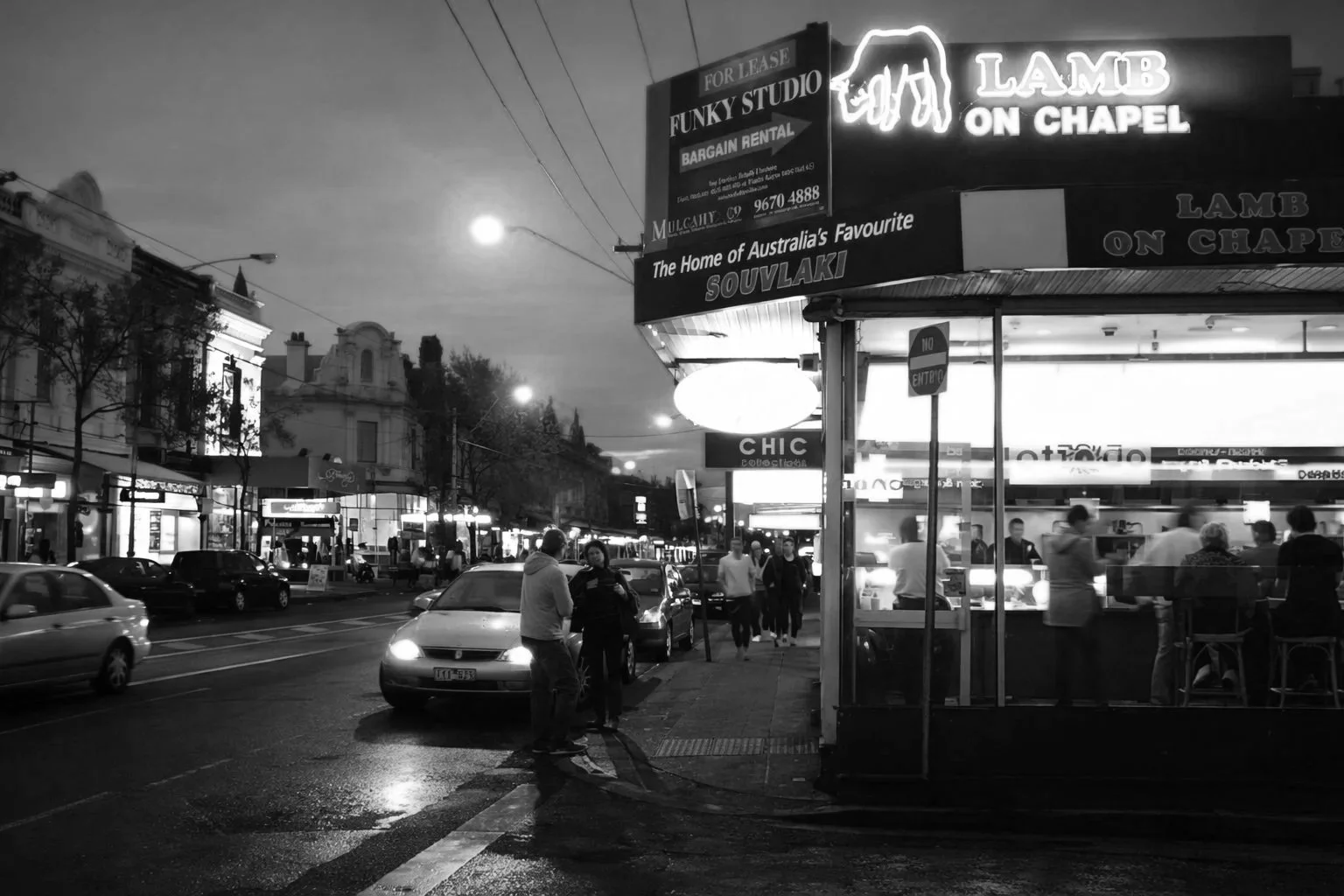
I’d recently started renting in Melbourne and went for a walk along Chapel St.
I came across a shop called Lamb on Chapel and went inside.
I looked at the menu and said to the person behind the counter I’d like a lamb sandwich.
‘Would you like that in a pita bread instead?’
‘Yes, that sounds good.’
‘Some salad?’
‘Great. Thanks.’
‘Tzatziki?’
‘Sure. No idea what that is, but when in Melbourne…’.
It was the best lamb sandwich I’d ever had.
A week later I returned to the café.
There was a different person behind the counter.
‘I’d like some lamb in pita, with salad, and some of that yoghurt … I can’t remember the name…’.
‘Tzatziki?’
‘Yes!’
‘So you’d like a souvlaki?’
Often experts don’t know more than we do about what we need.
They just know what it’s called.
Compared to What?

The problem with advice - whether online, in a presentation, or self-help book, is you don’t know who it’s pitched at.
It’s more than likely that you’re more squared away than most, and that reading ‘advice’ on how to improve isn’t aimed at you, and that it risks creating anxiety that you’re not maximising your performance.
Keep this in mind when you begin feeling inadequate.
The Smallest First Step.

My second-grade teacher, Ms. Edson, told us: If something feels too hard to do, it just means that the first step isn’t small enough. So often when we’re struggling, we tell ourselves that it’s a sign that we’re broken or that something is our fault, and then we freeze. But when something is too hard in the moment, tell yourself Ms. Edson’s advice.
Becky Kennedy
Clinical psychologist, parenting expert and founder of Good Inside
When we Step 1 - Step Back in our Good Decision Making - we start with the easiest thing to do: Being Selfish.
Doing Nothing.
Ignoring a compelling task: the decision before us.
Unless we’ve to real issues - this step should be easy, achievable, and give us enormous satisfaction.
It’s the decision making equivalent of Making Your Bed.
Charcuterie Board.
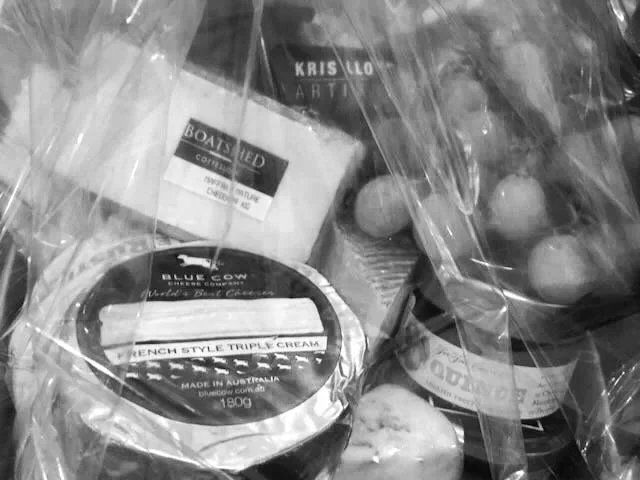
There’s a story of a young intern at a large company in New York City tasked to get a charcuterie board for an important event.
He went from shop to deli to restaurant asking if they sold charcuterie boards.
None did.
He finally tried a Korean deli whose owner said he didn’t know what a charcuterie board was.
The intern googled ‘charcuterie board’.
‘Do you have carrots, cheese, nuts, some dried fruits?’
‘Yes. Yes. Yes.’
The owner allowed the intern behind the counter to cut and dice.
He soon joined the intern and they chatted as they prepared the charcuterie board.
When the intern went to pay, the owner refused.
‘I had a good time,’ he said.
Sometimes we need to break down the ingredients to break down the fear and ignorance.
Same Data.
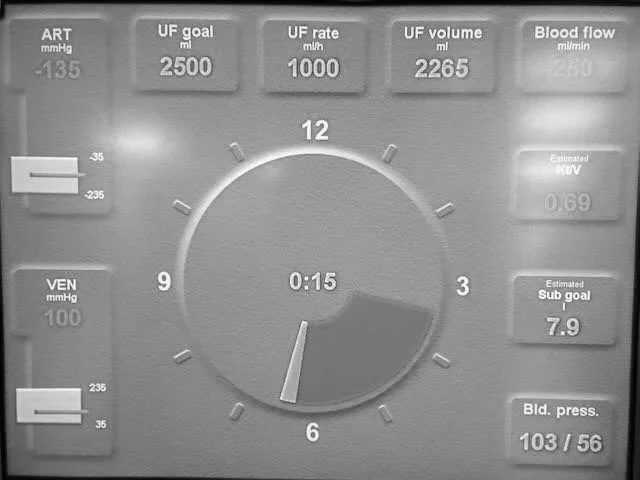
A hermeneutic = a lens, framework, or set of assumptions through which we interpret reality.
From the Greek hermēneuein = to interpret / explain / translate.
Same data - different motives = different interpretation.
Pointless Journey.
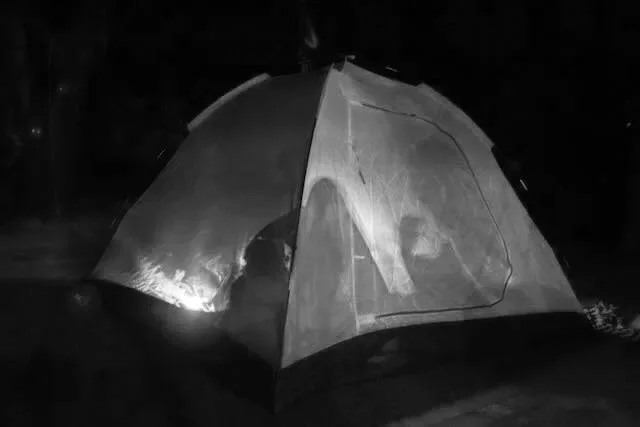
If we are on a journey of learning and discovery, the temptation is to stop at the place that is most familiar to where we started.
The place that reinforces and confirms our understanding of the world.
‘I know this place,’ we tell ourselves as we pitch our tent.
Making our journey pointless.
Two Temples.
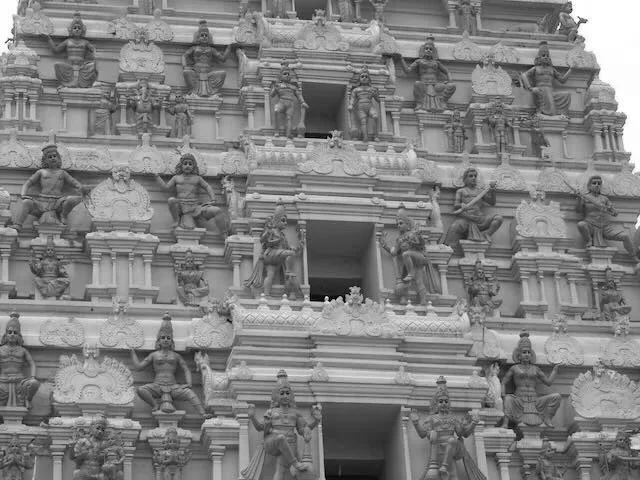
It’s a good idea to acknowledge the work and significance and good of the old temple - before demolishing it for a new one.


In a School Yard Somewhere.
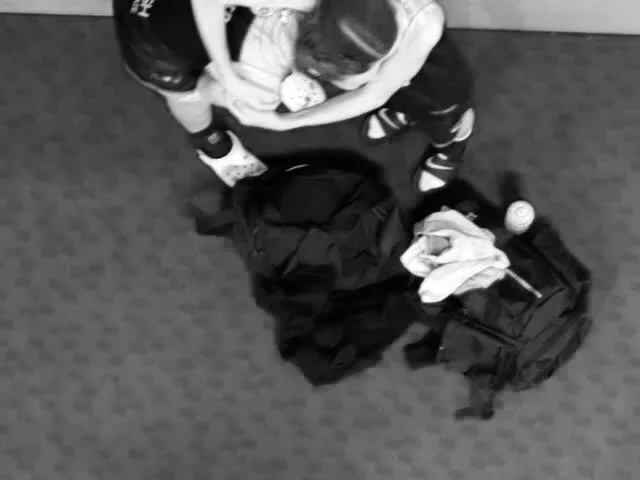
Watching a loud, petulant, rude, and selfish child making demands on their parent and throw tantrums when they don’t get their way.
You know that in a school yard somewhere, another child is waiting to sort them out.
Boundaries.
A Commanding Officer came to me for advice.
‘I want to do this thing - without the Law getting in the way…’
A Senior Officer came to me for advice.
‘I looked up the Defence Law Manual, and I couldn’t find where it said I could do this thing…’
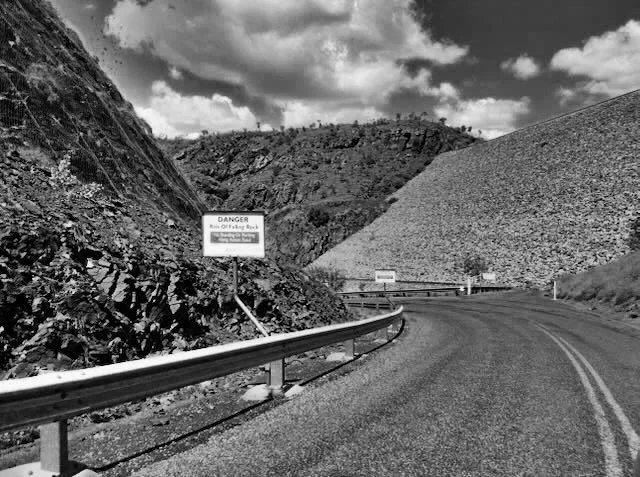
There’s often an assumption that the Law builds the roads for us to drive on.
That the Law gives us the permission and the rights.
But in practice, the Law does something subtler — and harder to appreciate.
It doesn’t pave the way for every possibility;
It fences off the cliffs.
It defines the edges, the hazards, the places where power would overrun the common good if left to its own momentum.
In Defence, in schools, in companies — everywhere people lead — the real work is in the unmarked space between those fences.
That’s where judgment, morality, and prudence live.
Where culture carries what rules never can.
Where we decide not just what we can do, but what we ought to do.
Law is a boundary line.
Leadership is how you play the game within it.
Mirror.

We declare:
‘I acknowledge my humanity and my weaknesses and vanity and my selfishness - all of which may obstruct or blind me to the decision I must make.’
We say:
‘I will scrutinise myself with a higher degree of judgement so that I can then turn my mind to potentially judging others.’
What Evil Looks Like.
‘Come with us! We will share the glory and the loot!’
That’s what Evil looks like:
The Crowd.
The Belonging.
The ‘Yes/No’ choice.
The Momentum.
The Security.
Easy.